
Drainage and Erosion Control for Mountain Properties
Mountain properties come with unique challenges when it comes to drainage and erosion control. Steep slopes, rocky terrain, and heavy seasonal runoff from rain and snowmelt can quickly wear away soil, damage foundations, and create long-term problems if drainage and erosion control aren't addressed early. This guide from Sierra Excavation covers what property owners should know about protecting mountain land from water damage.
Why Drainage and Erosion Control Matter on Mountain Properties
Water always follows the path of least resistance, and on a mountain property, that path is often downhill, directly toward your home, driveway, or septic system. Without proper drainage and erosion control, runoff can carve channels into the soil, undermine retaining walls, wash out driveways, and contribute to slope instability over time.
Erosion isn't just a cosmetic issue. Left unmanaged, it can expose tree roots, destabilize slopes near structures, and increase the risk of sediment buildup in nearby drainage areas or waterways.
Common Drainage and Erosion Challenges on Mountain Land
Mountain properties tend to face a specific set of drainage and erosion issues, including:
Steep grades that accelerate water runoff speed
Thin or rocky topsoil that erodes more easily than deeper, well-established soil
Concentrated runoff during spring snowmelt or heavy rainfall
Water pooling near foundations due to poor grading
Erosion along driveways, access roads, and cut slopes
Sediment washing downhill onto lower portions of the property or neighboring land
Drainage Solutions for Mountain Properties
Proper drainage and erosion control typically starts with directing water away from vulnerable areas in a controlled way. Common solutions include:
French drains – Underground perforated pipe systems that collect and redirect groundwater away from foundations and low-lying areas.
Surface swales – Shallow, graded channels designed to guide surface runoff away from structures and toward an appropriate discharge point.
Culverts – Pipes installed under driveways or access roads to allow water to pass through without washing out the surface above.
Grading and regrading – Reshaping the land's slope to direct water flow intentionally rather than letting it pool or run unpredictably.
Catch basins – Collection points that gather runoff from a specific area before directing it into a drainage system.
Why Drainage and Erosion Control Should Be Planned Together
Choosing between a retaining wall vs. living wall often isn't an either-or decision. Many properties benefit from both: a retaining wall to manage the slope and create a stable, level area, and a living wall or landscaping integration to bring greenery and visual softness to the finished space.

Erosion Control Methods for Mountain Land
Alongside drainage work, erosion control focuses on stabilizing soil and slowing water before it can carry soil away. Common methods include:
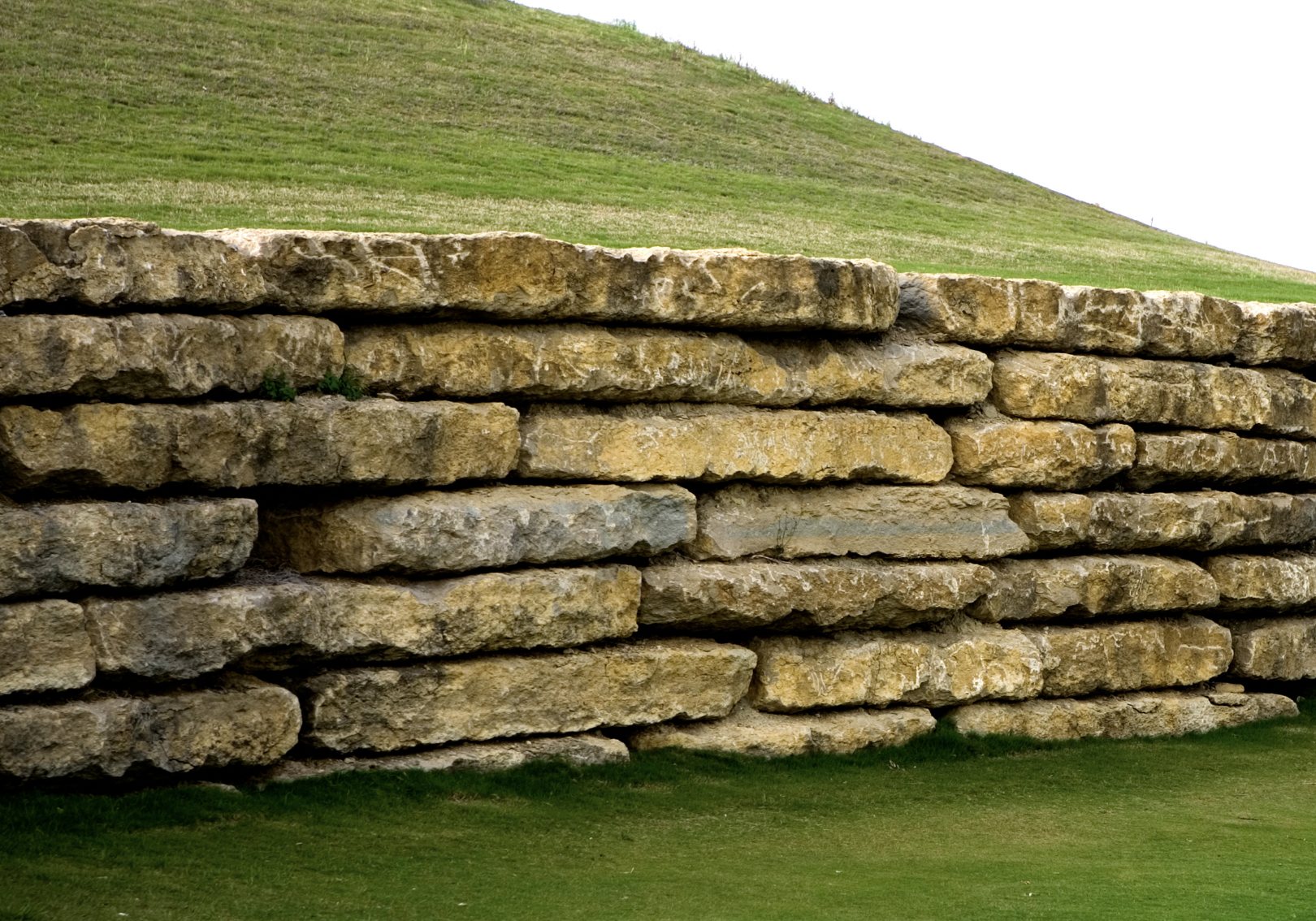
Retaining walls – Structures that hold back soil on steep or cut slopes, reducing the risk of slippage.
Erosion control blankets and matting – Biodegradable or synthetic materials laid over exposed soil to hold it in place while vegetation establishes.
Silt fencing – Temporary barriers used during construction or land disturbance to prevent sediment from washing downhill.
Vegetation and ground cover – Plant roots help bind soil together, making vegetation one of the most effective long-term erosion control tools on a slope.
Rock riprap – Placed along drainage channels or slopes to absorb the energy of moving water and reduce erosion at high-flow points.
Signs Your Property May Need Drainage or Erosion Control Work
A few signs that a mountain property may benefit from drainage and erosion control improvements include:
Visible soil channels or gullies forming after rain or snowmelt
Water pooling near the foundation or in low areas of the yard
Washed-out sections of driveway or access roads
Exposed tree roots on sloped areas
Sediment buildup at the base of slopes
Cracking or shifting in retaining walls
Planning Drainage and Erosion Control for Your Property
Every mountain property is different, and the right drainage and erosion control approach depends on the site's slope, soil type, and how water naturally moves across the land. Sierra Excavation works with property owners to assess these factors before recommending a plan suited to the specific site.
Contact Sierra Excavation
If you're dealing with runoff, erosion, or drainage issues on a mountain property, Sierra Excavation can help you evaluate the site and put together a plan to protect it. Contact Sierra Excavation today to schedule a consultation.