
Retaining Walls | Heber City, Park City and the Wasatch Back
Retaining Wall Contractors in Utah
Boulder walls, rock walls and segmental block retaining walls built for steep mountain lots, heavy snow loads and Utah freeze-thaw cycles.
Walls that hold
Retaining walls built for mountain terrain
Sloped lots are part of life in the Heber Valley, Park City and the rest of the Wasatch Back. A well-built retaining wall turns an unusable hillside into a level yard, a driveway, a patio or a building pad, and it keeps soil and water where they belong.
Sierra Excavation is an excavation company first, which matters for retaining walls. The parts of a wall that decide whether it lasts are the parts you never see: the excavation, the compacted base, the drainage and the backfill. We handle all of it, then set the stone or block on top of a foundation built to hold.
We build walls for homeowners, custom home builders, landscapers and commercial properties across Wasatch County and Summit County.
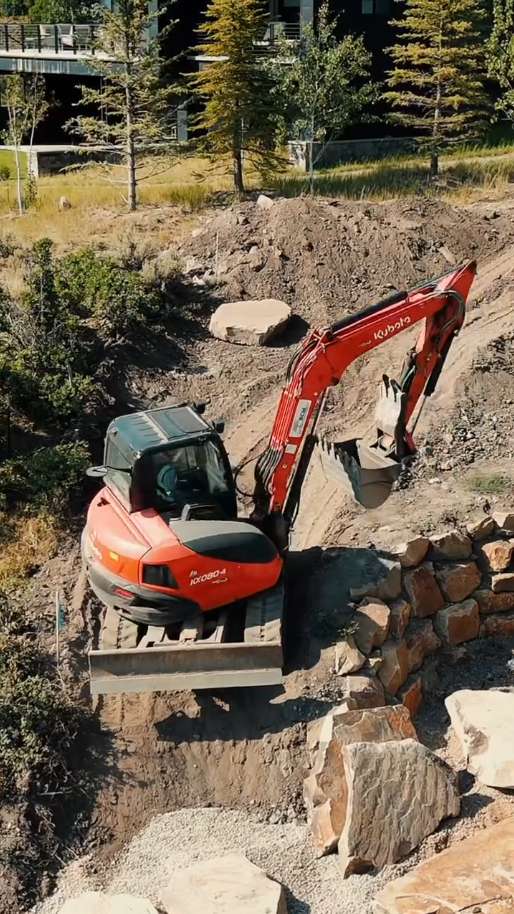
Wall types
Retaining wall services
Boulder retaining walls
Large natural boulders stacked and keyed into the slope for a rugged look that fits mountain properties.
Rock and stone walls
Smaller stacked stone and rock walls for garden terraces, planters and landscape edges.
Segmental block walls
Interlocking concrete block systems with a clean, uniform face, including geogrid reinforced walls.
Driveway and road cut walls
Walls that hold back cuts along driveways and access roads, where loads from vehicles and snow storage add pressure.
Terraced and tiered walls
A series of shorter walls that step down a hillside, often easier to permit and better looking than one tall wall.
Repair and replacement
Removing failing walls, fixing drainage problems and rebuilding on a proper base so the problem does not come back.
Boulder wall options
Choosing the right boulder wall
Boulder walls are the most requested wall type on mountain lots. The right option depends on the height you need, the look you want and how the wall will be loaded.
Stacked natural boulders
Field or quarry boulders set in courses and battered back into the hill. A great fit for landscape walls and natural, rustic yards.
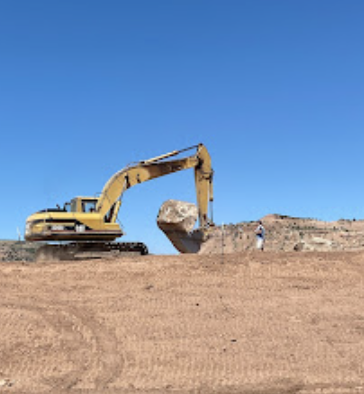
Large boulder walls
Oversized stones placed with an excavator for taller cuts. Fewer joints and more mass to resist pressure from the slope.
Planted boulder terraces
Boulders with planting pockets that soften the wall over time. Compare options in our retaining wall vs. living wall guide.
Not sure whether boulders or block are the better fit? We will look at the slope, soils and drainage on your property and recommend the wall that will perform best for the long term.
How we build
Design, excavation and drainage done right
Most retaining wall failures come down to water. When water builds up behind a wall, the pressure pushes it out of line, and freeze-thaw cycles make it worse each winter. That is why drainage is built into every wall we install.
- Excavation to firm, undisturbed soil or a compacted base
- Leveling pad of compacted gravel under the first course
- Perforated drain pipe at the base, daylighted or tied into drainage
- Clean, free-draining gravel behind the wall
- Geogrid reinforcement for taller block walls where required
- Final grading that directs surface water away from the wall
Learn more about drainage and erosion control on mountain properties.
Cost factors
What affects retaining wall cost in Utah
Every wall is priced from the site, but these are the factors that move the number the most. We walk through each one with you before we build.
| Factor | Why it matters |
|---|---|
| Wall height and length | Taller walls need deeper footings, more material and sometimes engineering. Cost rises faster with height than with length. |
| Wall material | Natural boulders, stacked rock and segmental block each have different material, delivery and labor costs. |
| Site access | Tight lots and steep driveways can limit equipment size and slow material delivery. |
| Soil and rock conditions | Rock, clay or soft soils change how much excavation and base material the wall needs. |
| Drainage requirements | Springs, high groundwater or heavy runoff call for more gravel, pipe and drainage work. |
| Loads above the wall | Driveways, structures and snow storage above a wall add pressure and may require an engineered design. |
| Engineering and permits | Walls over local height limits or under surcharge often need stamped plans and a building permit. |
| Removal of an old wall | Tearing out and hauling away a failed wall adds time before the new one can go in. |
For a broader look at pricing on mountain sites, see our excavation cost guide.
Permit guidance
Do you need a permit for a retaining wall in Utah?
Permit rules are set by each city and county, so the answer depends on where your property is. As a general guide, Utah jurisdictions follow the International Building and Residential Codes, and many require a building permit and an engineered design when a wall is taller than about 4 feet measured from the bottom of the footing to the top of the wall, or when the wall supports a surcharge such as a driveway, a structure or a steep slope above it.
Heber City, Wasatch County, Park City and Summit County can also have their own rules for walls near property lines, in setbacks, on steep slopes or within HOA and design review areas.
Our guide to retaining wall permit requirements in Wasatch and Summit County covers the details.
- Check with your local building department before you build
- Plan for an engineer on taller walls or walls under load
- Confirm setbacks, easements and HOA design rules
- Call 811 so utilities are marked before excavation
- Consider terraced walls to stay under height thresholds
We can help you plan the layout, coordinate with your engineer and build to the approved plans.
Where we work
Retaining wall service areas
Heber City, Midway, Daniel, Charleston and Timber Lakes
Park City, Kamas, Oakley, Promontory and Snyderville
Hideout, Deer Valley, Red Ledges and nearby mountain communities
FAQ
Retaining wall FAQs
How tall can a retaining wall be without a permit in Utah?
It depends on your city or county. Many Utah jurisdictions require a permit and engineering for walls taller than about 4 feet measured from the bottom of the footing, or for walls holding back a driveway, structure or slope. Always confirm with your local building department before you build.
Which is better, a boulder wall or a block wall?
Boulder walls suit natural, mountain style landscapes and handle rough terrain well. Segmental block walls give a clean, uniform look and are often used for taller engineered walls with geogrid. The best choice depends on height, loads, budget and the look you want.
How much does a retaining wall cost?
Price depends on wall height and length, material, access, soil and rock, drainage needs, loads above the wall and whether engineering is required. We give free estimates after looking at the site so the price reflects your actual conditions.
Why do retaining walls fail?
The most common causes are poor drainage, a weak or missing base, walls built taller than the design allows and extra loads above the wall. Water pressure and freeze-thaw cycles are especially hard on walls in Utah, which is why we build drainage into every wall.
Can you repair or replace an existing retaining wall?
Yes. We can remove a leaning or collapsed wall, correct the drainage and base problems that caused it and rebuild with boulders or block.
When is the best time to build a retaining wall?
Spring through fall is ideal. Building before the ground freezes lets the base and backfill be compacted properly. Fall is also a good time to book spring projects so you get an early spot on the schedule.
Start your wall
Get a free retaining wall estimate
Tell us about your slope, the space you want to gain and any loads above the wall. We will visit the property and recommend the right wall for the site.