
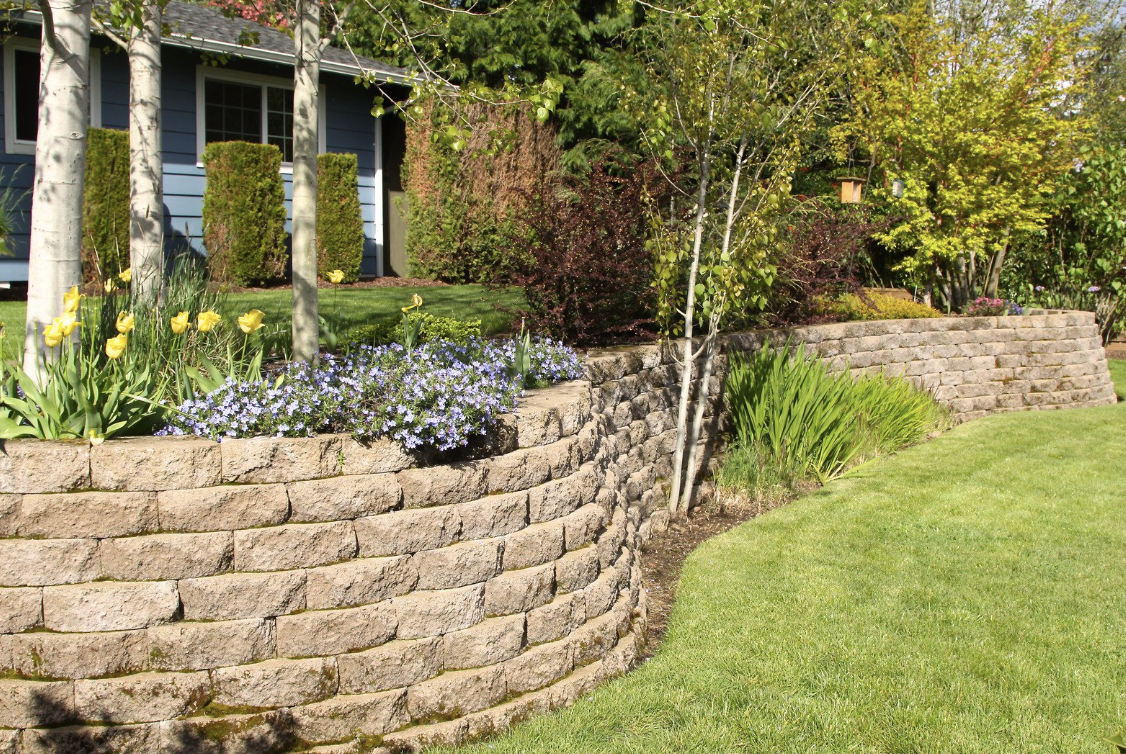
Retaining Wall vs. Living Wall: Which One Does Your Property Need?
If you're planning a landscaping or excavation project on a sloped property, you've likely come across two very different terms that can sound similar at first: retaining walls and living walls. Understanding the difference between a retaining wall vs. living wall is an important first step before starting any project, since each serves a distinct purpose and solves different problems on your property.
Below, the Sierra Excavating team breaks down what sets these two features apart, so you can decide which one, or which combination, is right for your land.
What Is a Retaining Wall?
A retaining wall is a structural feature built to hold back soil and manage changes in elevation. On sloped or hillside properties, like many found throughout Park City, Heber, and the surrounding mountain communities, retaining walls stabilize the ground, prevent erosion, and create level, usable space where a slope would otherwise limit what you can build or plant.
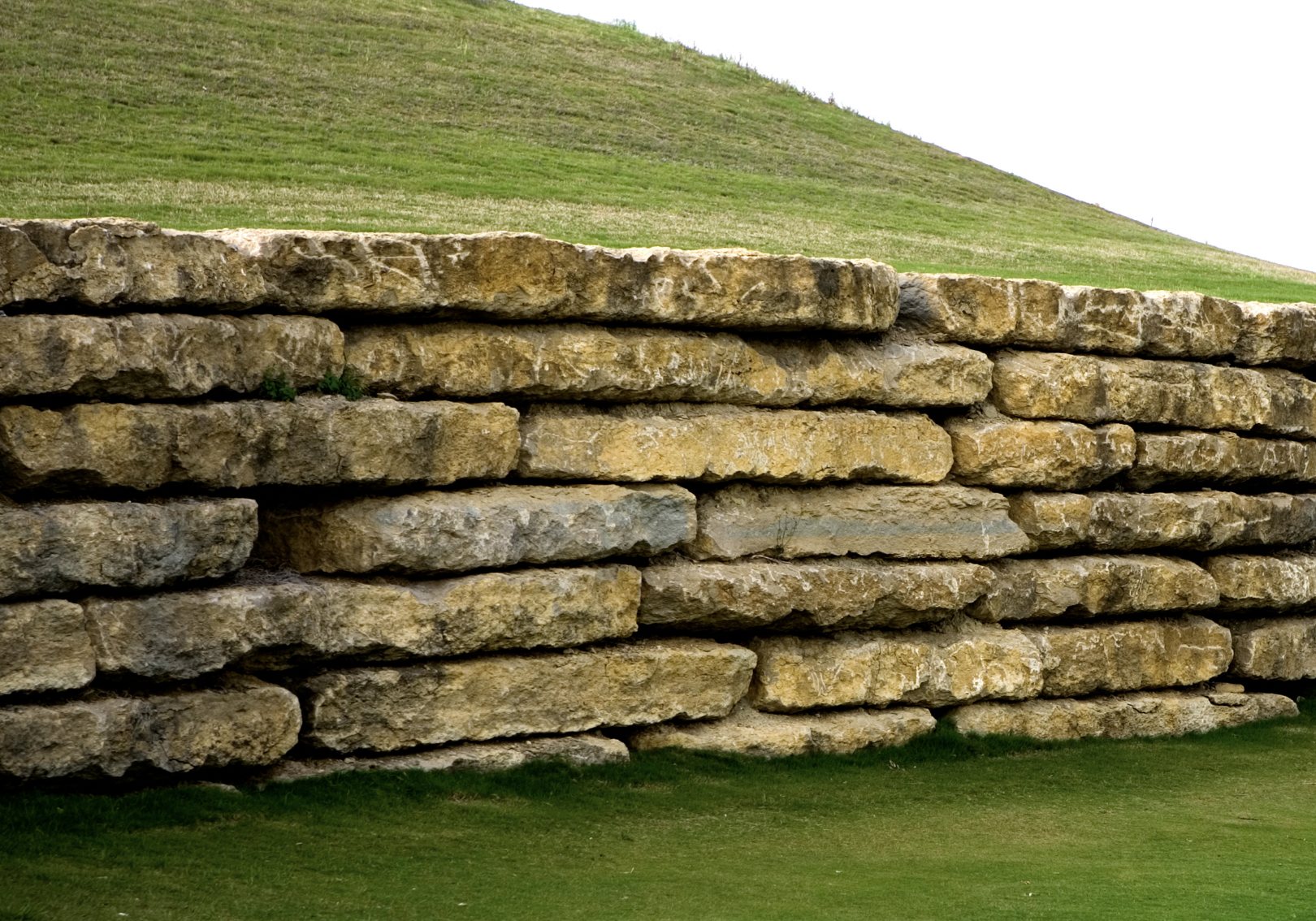
Retaining walls are typically built from materials like concrete, block, or natural stone, and their design depends heavily on the slope, soil conditions, and drainage needs of the site. Because they carry real structural weight, proper excavation, grading, and site preparation are essential before construction begins.
What Is a Living Wall?
A living wall, sometimes called a green wall, is a landscaping feature that incorporates plants and greenery into a vertical or terraced structure. Rather than serving a primary structural purpose, living walls are designed to enhance the look and feel of outdoor space, softening hardscape features and blending built structures into the surrounding landscape.
Living walls are often integrated alongside other landscaping and excavation work, adding greenery to terraced yards, garden features, or areas near an existing retaining wall.
Retaining Wall vs. Living Wall: Key Differences
Retaining Wall
Primary Purpose
Materials
Site Preparation
Structural: holds back soil, manages elevation
Concrete, block, natural stone
Requires excavation, grading, and drainage planning
Best For
Living Wall
Intentional Structure
Sloped lots, erosion control, creating level space
Collaborative Energy
Typically integrated into existing landscape design
Enhancing outdoor aesthetics, softening hardscape
Choosing between a retaining wall vs. living wall often isn't an either-or decision. Many properties benefit from both: a retaining wall to manage the slope and create a stable, level area, and a living wall or landscaping integration to bring greenery and visual softness to the finished space.

Which One Is Right for Your Property?
If your property has a noticeable slope, drainage issues, or areas where soil erosion is a concern, a retaining wall is typically the starting point. It addresses the underlying structural need before any landscaping can be added on top of it.
If your property already has stable, level ground and you're looking to enhance its appearance, a living wall or broader landscaping integration may be the better fit. And for many mountain properties throughout Summit and Wasatch County, the two work together, with a retaining wall providing the structural foundation and living wall elements finishing the look.
How Sierra Excavating Can Help
Sierra Excavating provides both retaining wall construction and living wall and landscaping integration services for residential and commercial properties throughout Park City, Heber, Midway, Jeremy Ranch, and the surrounding Summit and Wasatch County communities. Our team handles the excavation, grading, and site preparation that any retaining wall or living wall project depends on, so the finished result holds up for the long term.
Whether you're weighing a retaining wall vs. living wall for your property or planning a project that combines both, our team can walk you through what your site needs and how to get there.